St Monica's Catholic Primary School
Celebration of the Word
Celebration of the Word
Prayer and worship are central to the daily life of St Monica's, and a key part of every school celebration and gathering.
Classes pray together a number of times throughout the school day and every effort is made to ensure the richness of our shared Catholic tradition is experienced in a variety of ways. Father Ged, the priest at St Monica's, is a member of our school's governing body and plays a vital role in the sacramental and prayer life of the school.
Collective acts of worship
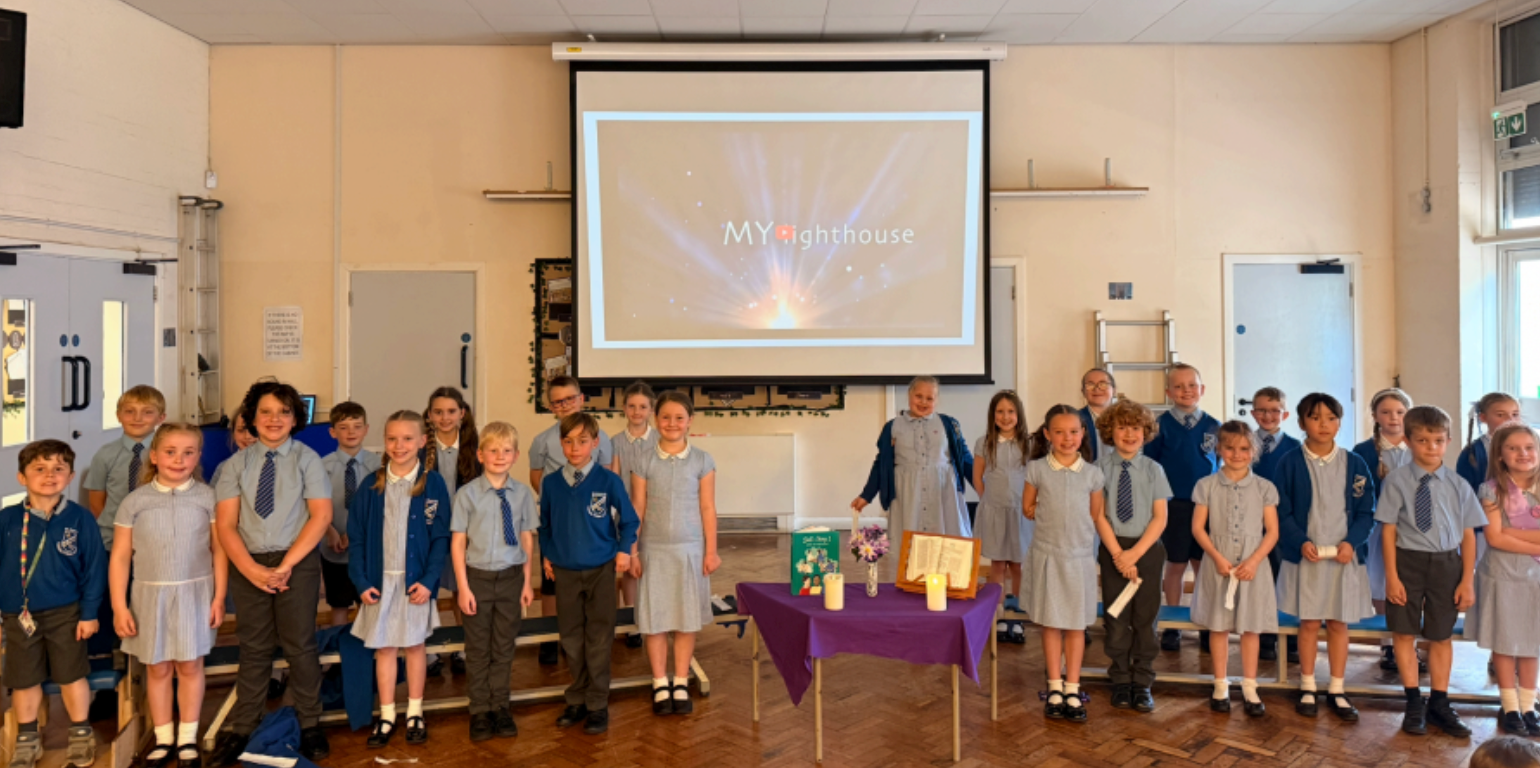
Pupils are fully involved in planning and preparing class assemblies, liturgies, prayer services and school masses which are well attended by parents, carers and family members.
Year group Masses in KS2 and liturgies in KS1 provide an opportunity for our pupils and staff to come together to worship. The confident and thoughtful way in which our pupils lead each other and the school community in prayer during our class assemblies in particular, is a strength of our school’s Catholic life.
Other opportunities for prayer and worship include guided meditations and our wonderful prayer areas, themed in line with the liturgical year, and our outside prayer garden provides a focal point for planned and spontaneous prayer.
The school community join the parish community at Masses at key times in the liturgical year at our parish church including feast days and Holy Days of Obligation.
Gather, listen, respond and go forth:
A Celebration of the Word follows four connected movements:
-
Gather: We become still and prepare to pray together.
-
Listen: We hear a passage from Scripture, the heart of the celebration.
-
Respond: We reflect quietly and respond through prayer, song or a simple prayerful action.
-
Go Forth: We carry God’s Word into our day through the choices we make and the care we show.
For a child, this might mean inviting someone to join a game, forgiving a friend, sharing fairly with others or noticing someone who needs help. Our prayer calls us to put love into action.
Growing in prayer
In their time in St Monica's, children can gradually take greater responsibility for preparing and leading prayer, supported by adults. This might include preparing the prayer space, proclaiming Scripture, offering intentions or choosing suitable music. Opportunities are adapted to children’s ages, needs and beliefs.
Different ways to pray
Prayer can express joy, gratitude, sorrow, hope or a need for help. These simple examples can help children begin:
| Type of prayer | Meaning and example |
|---|---|
| Praise | Celebrating God’s goodness: “Loving God, we praise you for your goodness and love.” |
| Thanksgiving | Saying thank you: “Thank you, God, for the people who care for us.” |
| Petition | Asking for help: “Lord, help me to be brave when something feels difficult.” |
| Intercession | Praying for others: “Loving God, comfort those who are lonely, hungry or unwell.” |
| Prayer for forgiveness | Saying sorry and asking for help to change: “God, forgive me when I hurt others. Help me to put things right.” |
| Adoration | Being in God’s presence with love and reverence: “God, you are holy. I offer you my love.” |
Prayer also includes familiar Catholic prayers, such as the Our Father, Hail Mary and Glory Be; spontaneous prayers in our own words; praying with Scripture; sacred music; and quiet contemplation. Devotions such as the Rosary and Stations of the Cross offer further ways to reflect on the life of Jesus.
Prayer through the Church’s year
The Church’s seasons bring different invitations to prayer: hope and preparation in Advent, joy at Christmas, repentance during Lent, and new life at Easter. Pentecost reminds us of the Holy Spirit’s presence and strength.
A place for everyone
Our prayer is rooted in the Catholic faith. Children of other faiths and those with no religious belief are welcomed with respect and love, with space to listen and reflect without being asked to express beliefs they do not hold. We are inclusive and want all pupils in our family to feel loved and welcome.